1,4-Butane Sultone (Chemical Formula: $C_4H_6O_3S$) is a critical sulfur-containing heterocyclic compound. Structurally, it is a four-membered ring lactone formed by a butane chain connected via a sulfonic acid group and an oxygen atom. This unique strained-ring structure—combined with an active sulfonate bond—provides the high reactivity necessary for advanced chemical synthesis.Technical Specifications & Core ChemistryPhysical State: Typically a colorless to pale yellow liquid or a low-melting-point solid.Solubility: Highly soluble in polar organic solvents like DMSO and DMF.Stability: It is hygroscopic and tends to undergo ring-opening reactions when exposed to water.Reactivity: The core value of 1,4-Butane Sultone lies in its electrophilic sulfonate group. It reacts readily with nucleophiles such as amines, alcohols, thiols, and carbanions through ring-opening addition, allowing for the precise introduction of sulfonic acid functional groups into various molecules.
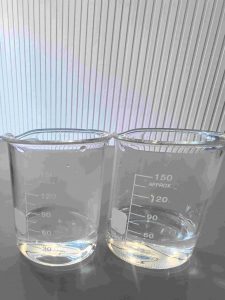
1,4-Butane Sultone Sample Picture
1,4-Butane Sultone Key Industrial Applications
1. Synthesis of High-Performance Surfactants
One of the most vital uses for 1,4-Butane Sultone is its reaction with primary or secondary amines. This process yields betaine-type amphoteric surfactants (N-substituted butane sulfonic acid inner salts).
Properties: These products feature both quaternary ammonium cations and sulfonic acid anions.
Benefits: They offer excellent surface activity, low irritation, high biocompatibility, and resistance to hard water.
Use Cases: Premium personal care products (shampoos, body washes), cosmetics, and specialized industrial cleaners.
2. Advanced Polymer Functionalization
In polymer science, 1,4-Butane Sultone serves as a high-value modifying monomer. By reacting with active sites like amino or hydroxyl groups, it introduces sulfonic acid groups into polymer side chains or end groups.
Proton Exchange Membranes (PEM): It is essential for modifying engineering plastics (e.g., polyaryletherketone, polyimide) used in fuel cells.
Performance Impact: It enhances hydrophilicity, ionic conductivity, and high-temperature tolerance while reducing methanol permeability.
3. Battery Technology & Electrochemical Additives
Recently, 1,4-Butane Sultone has become a focal point in the development of Lithium-ion batteries and supercapacitors.
SEI Layer Formation: When added to electrolytes (typically 0.5%–5%), it undergoes electrochemical reduction during the first charge to form a robust, dense, and ionically conductive Solid Electrolyte Interphase (SEI) on the graphite anode.
Longevity: This layer inhibits electrolyte decomposition and solvent co-intercalation, significantly improving cycle stability, coulombic efficiency, and low-temperature performance.
Safety, Handling, and Storage
1,4-Butane Sultone is a high-performance chemical that requires stringent safety protocols:
Classification: Classified as a carcinogen and mutagen.
Hazards: Strong irritant and corrosive to skin, eyes, and the respiratory tract.
PPE Requirements: Always use a fume hood and wear chemical-resistant gloves, safety goggles, and protective clothing.
Storage: Store in a cool, dry, and well-ventilated area away from heat sources and oxidizing agents.
Future Outlook
The scope of 1,4-Butane Sultone is expanding into next-generation energy systems, including Sodium-ion and Potassium-ion batteries. Researchers are also focused on developing greener synthesis routes and more precise sulfonated polymers for water treatment membranes and advanced sensors. As a bridge between small-molecule synthesis and high-performance materials, it remains a cornerstone of modern chemical innovation.