Sodium thioglycolate(CAS 367-51-1) is a white crystal. It is hygroscopic and has a slight special odor. Its melting point is above 300°C. It is easily soluble in water and slightly soluble in ethanol. It changes color when exposed to air or in contact with iron. If it turns yellow or black, it has deteriorated and must not be used.
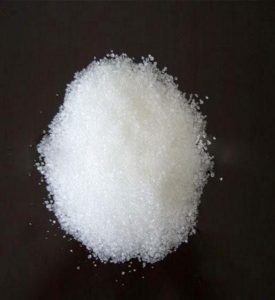
Sodium Thioglycolate Picture of white crystals
1.Sodium thioglycolate Physical and Chemical Profile
Sodium Thioglycolate is a highly functional chemical compound recognized for its versatility as a reducing agent and chelator.
Appearance: White crystalline substance.
Key Traits: It is significantly hygroscopic (readily absorbs moisture) and possesses a mild, characteristic odor.
Stability: Features a melting point above 300°C.
Solubility: It shows excellent solubility in water and is slightly soluble in ethanol.
Quality Indicator: The compound is chemically active and prone to discoloration (turning yellow or black) when exposed to air or in contact with iron. Discoloration is a critical indicator of degradation; degraded material should not be used.
2. Key Industrial Applications
A. Advanced Metal Surface Treatment
Sodium Thioglycolate is a primary component in high-efficiency surface treatment agents. Its superior complexing and reducing properties allow it to form a dense protective film on metal surfaces.
Performance: Enhances corrosion resistance and surface adhesion.
Results: Metal components treated with this compound show over a 30% improvement in salt spray test durability.
Target Industries: Ideal for automotive parts and mechanical equipment manufacturing.
B. Heavy Metal Removal in Wastewater Treatment
In environmental engineering, Sodium Thioglycolate is used to solve the challenge of heavy metal contamination. The sulfhydryl (-SH) groups in its structure specifically chelate with heavy metal ions like Lead (Pb), Mercury (Hg), and Cadmium (Cd).
Mechanism: It creates stable, water-insoluble precipitates through a chelation-flocculation synergistic effect.
Efficiency: Achieves removal rates of over 98% for heavy metal ions and significantly reduces Chemical Oxygen Demand (COD).
Compliance: Treated water meets stringent environmental discharge standards, such as GB 8978-1996.
C. Microbiology and Fermentation Enhancement
As a potent reducing agent, Sodium Thioglycolate is essential for cultivating oxygen-sensitive microorganisms, such as Lactic Acid Bacteria.
Environment Control: It scavenges dissolved oxygen to maintain anaerobic or microaerobic conditions and regulates the redox potential of the medium.
Growth Metrics: Adding this enhancer can increase Colony Forming Units (CFU) by 2 to 3 times and shorten the cultivation cycle by 15-20%.
Food Safety: It is safe and residue-free, making it suitable for industrial fermentation of yogurt, kimchi, and probiotic preparations.
3. Environmental and Safety Management
While highly effective, Sodium Thioglycolate requires strict ecological oversight to prevent environmental accumulation.
Soil Impact: Excessive concentrations (>5 mg/kg) can reduce crop germination rates (e.g., wheat and corn) by over 20%.
Waste Disposal: Disposal must align with EPA Hazardous Waste standards, utilizing high-temperature degradation with an efficiency of 99% or higher.