Orotic acid is an organic compound once mistakenly classified as vitamin B13. Subsequent extensive scientific research has confirmed that it does not belong to the vitamin family. However, due to its unique biological activity, orotic acid continues to hold irreplaceable value in the fields of medicine, health, and the chemical industry. Orotic acid-based products are widely recognized and studied by research institutions, the medical community, and the chemical industry for their core advantages: high efficacy, low side effects, minimal kidney irritation, and low residual accumulation in the body.
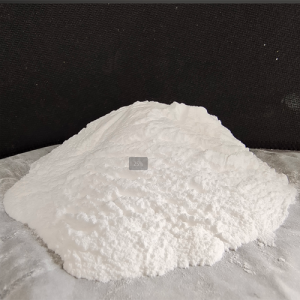
Synthesis
From a synthetic pathway perspective, the industrial production of orotic acid primarily employs chemical synthesis methods. The core steps, validated by scientific research, demonstrate stability and reproducibility. Starting with diethyl oxalate, it undergoes a condensation reaction with acetic acid, followed by a cyclization reaction with urea to form 5-ethoxycarbonylmethylene hydantoin. The molecular structure is then optimized via a ring-expansion reaction, and finally, high-purity orotic acid is obtained through acid precipitation and purification processes. Alternatively, orotic acid can be extracted from whey, a by-product of the cheese industry. Whey contains 50% of the nutritional components of the original milk. Through separation and purification processes, natural orotic acid can be obtained. Both synthetic routes comply with chemical industry production standards, and the purity and safety of the products have been verified by relevant testing and certification.
Role and Functions
The application scope of orotic acid continues to expand. Since the 1960s, it has been used clinically to treat jaundice and general liver dysfunction. Today, it remains an important substance for liver protection and repair. Modern pharmacological studies indicate that orotic acid can promote the repair and regeneration of liver cells, regulate the activity of liver metabolic enzymes, and has clear auxiliary therapeutic effects for patients with chronic liver diseases such as chronic hepatitis and fatty liver disease.
In the field of metabolic diseases, it can help regulate the purine metabolism pathway, reduce uric acid levels in the body, and serve as a key substance in the auxiliary treatment of gout. Simultaneously, it improves cerebrovascular microcirculation, enhances vascular endothelial cell activity, and plays a positive regulatory role in issues like insufficient cerebral blood supply.
Furthermore, orotic acid can increase phagocytic cell activity, accelerate tissue regeneration and wound healing, demonstrating potential value in trauma recovery. In recent years, its immunomodulatory functions have been further explored. It is now used as an adjuvant in the treatment of chronic X-ray poisoning. Additionally, in the prevention and acute-phase management of chemical poisoning, it can help reduce toxin-induced damage to the body by enhancing the liver’s detoxification function.
Safety
Despite its significant advantages, the safety of orotic acid requires strict control. Multiple authoritative toxicological studies have confirmed that has potential mutagenic properties for mammalian somatic cells and may also induce genetic mutations in bacteria and yeast. Excessive use may further increase health risks. Therefore, whether for clinical medical use or industrial-grade applications, it must be used under the guidance of professionals, strictly adhering to dosage standards and usage protocols.
In Pathology and Clinical Diagnostics
Abnormally elevated levels of orotic acid in urine are an important pathological signal, potentially leading to orotic aciduria and acidemia. These conditions are often associated with inherited metabolic defects, most commonly disorders of the urea cycle. For example, ornithine transcarbamylase deficiency, a classic urea cycle disorder, leads to disrupted ammonia metabolism in the body. This results in elevated blood ammonia levels, a significant increase in urinary orotic acid excretion, and ultimately impairs cellular energy metabolism, causing insufficient ATP production. This inflicts serious damage on the nervous system and liver function—a pathological mechanism confirmed by multiple clinical studies.