Para-aminobenzoic acid (PABA), often categorized as a B-vitamin-related compound, is a versatile organic substance with significant functions across multiple sectors. Based on existing scientific literature, this article provides a comprehensive, objective overview of PABA’s fundamental properties, applications in various industries, and key safety considerations—aiming to deliver neutral, evidence-based scientific information for professionals and informed consumers alike.
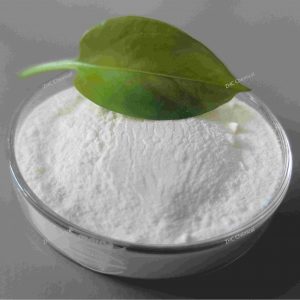
1. Para-Aminobenzoic Acid Fundamental Properties & Biological Roles
Chemically, PABA has the formula C7H7NO2 and exists as a crystalline substance soluble in hot water. Within biological systems, it can be synthesized by intestinal microbiota and acts as a precursor for folic acid (vitamin B9) synthesis, participating in critical metabolic processes. It is important to clarify that PABA is not an essential nutrient for humans, yet it plays a notable role in microbial metabolism and certain biosynthetic pathways.
2. Para-Aminobenzoic Acid Applications Across Key Industries
Leveraging its unique chemical properties, PABA has been researched and utilized in a range of industrial and consumer product sectors. Below is a detailed breakdown of its core applications:
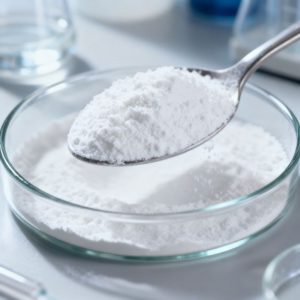
2.1 Fine Chemicals & Synthetic Industry
In the chemical sector, PABA serves as a critical intermediate raw material, with three primary applications:
-
Dye Synthesis: As a key building block for azo dyes and specific reactive dyes (e.g., Reactive Red M-80), which are widely used in the textile and printing industries due to their excellent color fastness and versatility.
-
Analytical Reagents: Researchers employ high-purity PABA in laboratory settings for the detection and analysis of specific metal ions, which ensures precision in analytical procedures.
-
Other Syntheses: It participates in the synthesis of certain ester compounds and, under specific conditions, exhibits adjuvant effects when combined with antibiotics—enhancing their overall efficacy.
2.2 Historical & Current Topical Applications
Historically, PABA was a key component in sunscreen formulations due to its ability to absorb ultraviolet (UV) radiation. Its mechanism of action involves absorbing light energy and converting it to harmless heat. As a result, its use in mainstream sunscreen products has declined significantly.
Today, structurally modified derivatives (e.g., Padimate O) are more commonly used. These compounds are designed to retain UV-filtering capabilities while minimizing adverse reactions. Importantly, all topical formulations containing PABA or its derivatives are based on rigorous safety assessments to ensure consumer protection.
2.3 PABA as a Dietary Supplement: Research & Potential Benefits
PABA is available as a dietary supplement on the market. Observational data and preliminary studies have explored its potential associations with several health-related areas, though scientific consensus remains limited:
-
Metabolic Support: As a precursor to folic acid, PABA indirectly supports protein metabolism and red blood cell formation—processes critical for overall bodily function.
-
Discomfort Relief: Some studies have focused on PABA’s potential to alleviate localized bodily discomfort, though evidence for this effect is preliminary.
-
Aesthetic Maintenance: Non-conclusive data suggests potential impacts on hair and skin appearance, but we need further high-quality research to validate these claims.
A key note: The scientific evidence for these associations varies in strength, and most have not yet formed clear consensus. We require additional rigorous studies to confirm PABA’s efficacy in these areas.
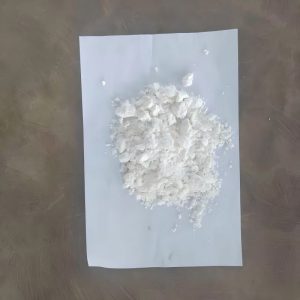
3.Para-Aminobenzoic Acid Safety Considerations & Usage Guidelines
The safe use of any substance depends on three core factors: dosage, administration route, and individual health status. Below are critical safety guidelines for PABA:
3.1 General Usage Precautions
-
Industrial Settings: When handling PABA powder in chemical production environments, you must follow standard safety protocols—including wearing personal protective equipment (PPE) such as gloves and masks, and ensuring adequate ventilation. These measures prevent respiratory irritation from inhalation or skin discomfort from direct contact.
-
Topical Products: For individuals using PABA-containing topical products (historical or specialized formulations), skin sensitivity is a potential concern. Reading product ingredient lists and monitoring personal reactions is a prudent practice.
-
Dietary Supplements: For those considering PABA as a dietary supplement, common recommendations advise avoiding excessive daily intake.
3.2 Special Considerations
-
Pre-Existing Health Conditions: Individuals with specific health concerns should consult a healthcare professional before using any PABA-containing supplements or products.
-
Substance Interactions: PABA may interact with certain classes of substances. Avoid using this substance alongside these compounds—this prevents reduced efficacy or adverse effects.
-
Special Physiological Stages:People in specific life stages (e.g., pregnancy, lactation) should exercise extreme caution when using any supplements containing PABA, and should consult a healthcare provider before use.
3.3 Environmental & Storage Requirements
In industrial waste management, PABA disposal must comply with relevant environmental regulations to prevent ecological contamination. For storage, you should keep PABA in a cool, dry, light-protected sealed container to maintain its stability and prevent degradation.
4.Para-Aminobenzoic Acid Comprehensive Perspective
Para-aminobenzoic acid (PABA) is a multifaceted compound with well-established uses as a raw material in industrial synthesis. In the consumer product sector, its historical role and potential as a supplement continue to be the focus of ongoing research—accompanied by scientific exploration of its safety boundaries.
For consumers, understanding product ingredients, referencing information from authoritative agencies, and making prudent choices based on individual circumstances are universally applicable practices. Scientific understanding of PABA is continuously evolving, and rational judgment based on current evidence remains crucial for safe and effective use.
Para-Aminobenzoic Acid Key Takeaways
PABA is a versatile organic intermediate with core applications in dye synthesis, analytical chemistry, and historical topical formulations. While it shows potential in metabolic support and aesthetic areas, we have only limited scientific evidence for it. Safe use requires adherence to dosage guidelines, awareness of individual health status, and compliance with industrial safety or environmental regulations. For personalized advice, consulting healthcare or industry professionals is recommended.